Featured
The Only Guide to Being Cautious from Unethical Operators
Table of Contents
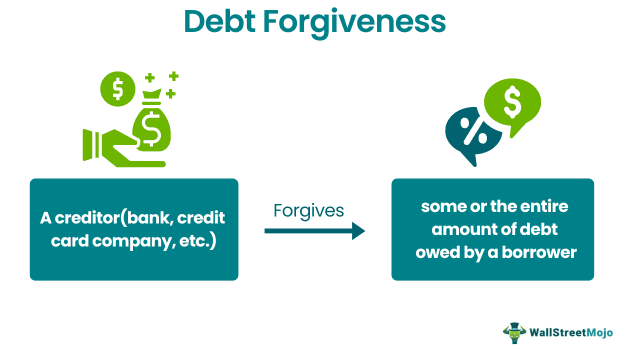
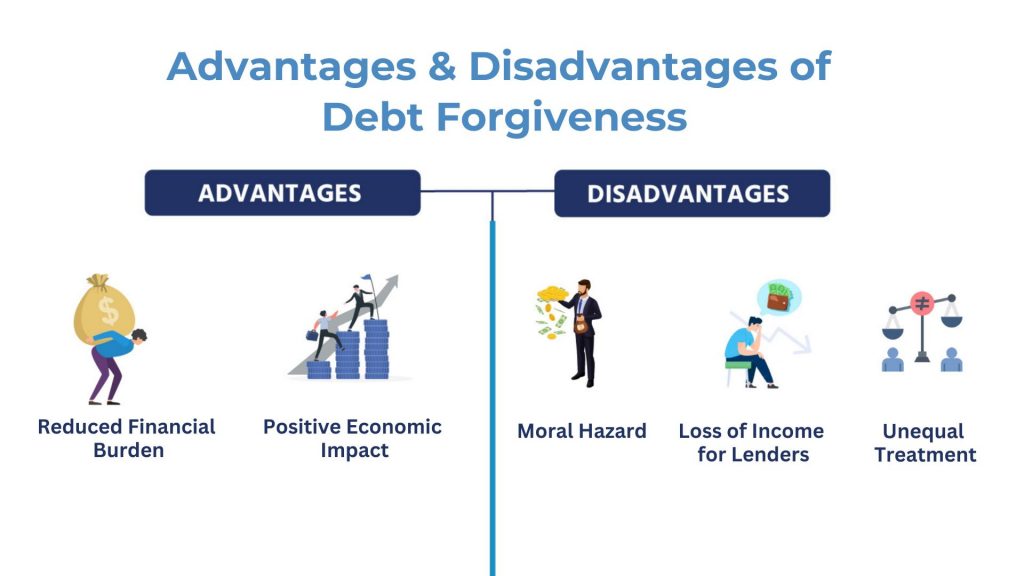
That releases up cash in the brief term, and you may have three to 4 years to save towards the negotiation amount. Extremely dangerous to credit history, primarily as a result of missed out on repayments and a negative "resolved" mark that might remain on your credit scores report for as much as 7 yearsMay be only option if various other alternatives (financial obligation consolidation, balance transfer charge card, financial debt mercy) aren't possibleTypically needs a fee to the 3rd party, which can counter some or every one of the financial savings from financial debt settlementMay help you stay clear of insolvency if you have actually missed a number of paymentsNot all financial institutions collaborate with financial debt negotiation companies Financial obligation mercy may be best for you if you are experiencing a monetary difficulty that makes it almost impossible to pay down your financial debt equilibriums.
With a DMP, you make one monthly settlement to the debt therapy company. Those funds are after that distributed to creditors of your unsecured financial obligations, such as credit cards and installment loans. The company works with your financial institutions to minimize rates of interest or waive costs, however some lenders may refuse such concessions.
A financial debt loan consolidation lending combines your qualified financial obligations into one brand-new loan. It can assist you pay for debt if you're able to protect a car loan rate that's less than the typical price of the accounts you're consolidating. You have to refrain from racking up financial obligation on those freshly removed accounts or your financial debt can grow also higher.
These cards usually provide a 0% passion introductory duration of approximately 21 months. That gives you lots of time to get rid of or considerably lower your equilibrium while making interest-free repayments. For some individuals facing impossible financial debt, personal bankruptcy may be the only way to quit collection procedures and lawfully settle their debts.
Some Known Factual Statements About Short-Term Consequences on Specialty Counseling Services : APFSC Tailored Financial Support Decisions
You might require it if your financial institution or a collection firm ever tries to gather on the financial obligation in the future. The letter might verify you don't owe what the debt collection agency's records show. Yes, for the most part, the internal revenue service takes into consideration forgiven financial debt as gross income. When a lender forgives $600 or more, they are called for to send you Type 1099-C.
Debt forgiveness or settlement often harms your credit scores. Anytime you clear up a financial obligation for much less than you owe, it might show up as "settled" on your credit history record and influence your credit report for 7 years from the day of negotiation. Your credit rating can additionally drop considerably in the months bring about the mercy if you fall back on settlements.
The Best Strategy To Use For Navigating Debt Forgiveness and What You Need to Know
This situation often results from underreporting revenue, not submitting returns on time, or disparities found throughout an Internal revenue service audit. The effects of building up tax obligation debt are major and can consist of tax liens, which provide the IRS a lawful insurance claim to your property as safety and security for the financial obligation.
Incomes and Bank Accounts IRS can levy (take) earnings and bank accounts to please the debt. Property Seizure In extreme situations, the Internal revenue service can confiscate and market property to cover the financial debt.
Anxiety, stress and anxiety, and various other mental health problems. Social Preconception Encountering lawful activity from the internal revenue service can lug social preconception. Damages to track record and connections. Employment Opportunities A poor credit report due to strain debt can restrict employment possibilities. Trouble finding or keeping a task. Government Benefits Tax financial obligation may impact qualification for federal government advantages, such as Social Security and Medicaid.
10 Simple Techniques For First Assessment with a Counselor
The OIC considers numerous variables, including the taxpayer's income, expenses, property equity, and capacity to pay. Efficiently negotiating an OIC can be complicated, needing a complete understanding of the IRS's guidelines and a solid debate for why your offer lines up with your ability to pay. It is necessary to note that not all applications are approved, and the process calls for in-depth monetary disclosure.
The IRS examines your overall economic circumstance, including your earnings, expenses, property equity, and ability to pay. You have to additionally be present with all filing and payment needs and not be in an open bankruptcy case. The internal revenue service likewise considers your compliance background, assessing whether you have a record of prompt filing and paying taxes in previous years.
Some Known Factual Statements About Continued Guidance Including Aftercare Services
The application procedure for an Offer in Concession entails numerous thorough steps. First, you have to complete and send IRS Type 656, the Offer in Concession application, and Type 433-A (OIC), a collection information declaration for individuals. These types need comprehensive economic info, consisting of details about your income, financial debts, costs, and assets.
Back tax obligations, which are unsettled tax obligations from previous years, can dramatically enhance your overall internal revenue service debt if not attended to without delay. This financial debt can accumulate interest and late settlement fines, making the original quantity owed a lot bigger with time. Failure to repay taxes can lead to the IRS taking enforcement activities, such as releasing a tax lien or levy against your property.
It is very important to deal with back taxes asap, either by paying the sum total owed or by organizing a layaway plan with the IRS. By taking positive actions, you can prevent the build-up of additional rate of interest and penalties, and stop extra hostile collection activities by the internal revenue service.
One usual reason is the idea that the taxpayer can pay the sum total either as a lump amount or through a payment strategy. The IRS additionally considers the taxpayer's earnings, expenditures, asset equity, and future earning possibility. If these elements indicate that the taxpayer can pay for to pay more than the provided quantity, the internal revenue service is most likely to reject the deal.
Not known Incorrect Statements About Credentials to Look For in Other Debt Relief Organizations
Dealing with Internal revenue service debt can be complex and overwhelming. Tax experts, such as Certified public accountants, tax attorneys, or signed up representatives, can offer indispensable help.

Table of Contents
Latest Posts
5 Easy Facts About Emerging Regulations That Will Change Bankruptcy Procedures Shown

Legal Changes Impacting Why Confidentiality Matters in Nonprofit Financial Services : APFSC Options Fundamentals Explained
Initial Effects on Personal Credit Score Fundamentals Explained
More
Latest Posts
5 Easy Facts About Emerging Regulations That Will Change Bankruptcy Procedures Shown
Legal Changes Impacting Why Confidentiality Matters in Nonprofit Financial Services : APFSC Options Fundamentals Explained
Initial Effects on Personal Credit Score Fundamentals Explained